

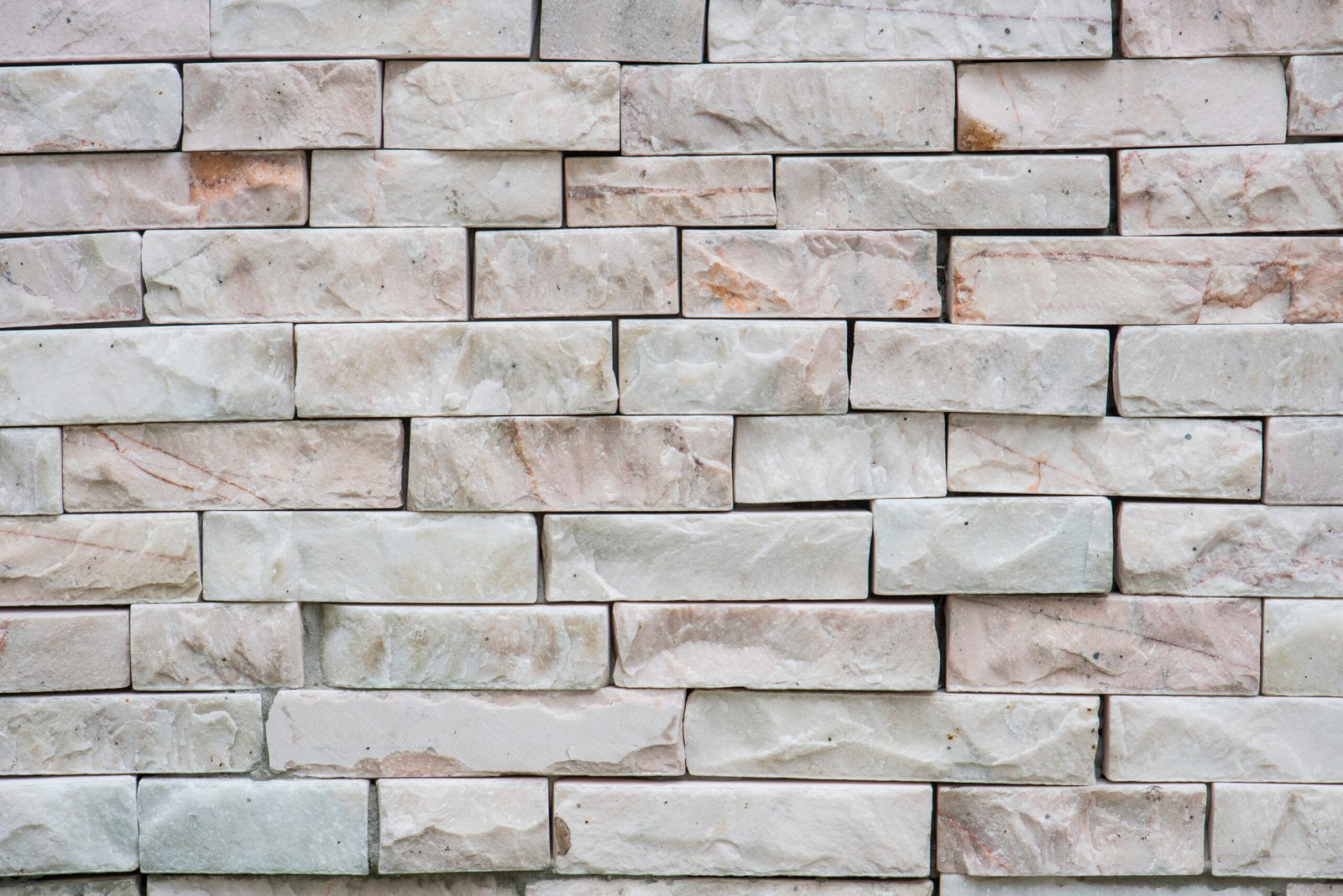
India is globally recognized for its vast reserves of natural stones and expert craftsmanship. Among these, thin veneer stones are increasingly in demand for international residential, commercial, and architectural projects due to their lightweight, aesthetic appeal, and versatility. If you’re a stone manufacturer, supplier, or entrepreneur looking to tap into the global market, this guide will walk you through everything you need to know about exporting thin veneer stones from India.
What Are Thin Veneer Stones?
Thin veneer stones are natural or engineered stones cut into thin slabs (typically 0.75″ to 1.25″ thick), offering the look of full-bed stone without the weight. They’re ideal for wall cladding, facades, columns, and fireplaces, and are popular in the USA, UK, Australia, Middle East, and European markets.
Why Export Thin Veneer Stones from India?
✅ Abundant Natural Resources
India has an abundant supply of sandstone, slate, quartzite, granite, limestone, and marble — all perfect for making high-quality thin veneers.
✅ Skilled Workforce & Craftsmanship
Indian manufacturers are known for precision cutting, consistent sizing, and surface treatments like natural, honed, tumbled, rockface, and more.
✅ Competitive Pricing
Lower production and labor costs make Indian veneer stones highly competitive in international markets without compromising on quality.
Step-by-Step Guide to Exporting Thin Veneer Stones
1. Market Research & Target Countries
Identify potential markets based on demand, architectural preferences, and import regulations. Popular export destinations include:
-
United States
-
United Kingdom
-
Australia
-
UAE
-
Canada
-
Germany
Understand the sizes, finishes, and colors trending in each market.
2. Business Registration & Licensing
To legally export from India:
-
Register your business with the Ministry of Corporate Affairs (MCA).
-
Get an Importer Exporter Code (IEC) from DGFT.
-
Register with Export Promotion Council for Handicrafts (EPCH) or CAPEXIL, depending on your product.
3. Product Preparation
Ensure your thin veneer stones are:
-
Uniform in thickness (usually 0.75” to 1.25”)
-
Packed in standard crate sizes with proper cushioning
-
Labeled with SKU, stone type, origin, size, and finish
-
Available in popular patterns like ledge stone, ashler, mosaic, corner pieces, and panel stones
4. Quality Standards & Certifications
To meet international expectations, maintain:
-
Consistent sizing and thickness
-
Strong packing to avoid breakage
-
Natural finish or custom surface treatments (e.g., natural split, rockface, honed)
-
Test reports for physical properties (if required)
-
Optional: ISO Certification, CE Marking (for Europe)
5. Pricing & Incoterms
Choose your Incoterm (e.g., FOB, CIF, EXW) and decide how you’ll price the product:
-
Per square foot or square meter
-
Include packaging and freight if using CIF
6. Logistics & Shipping
Coordinate with freight forwarders and shipping agents:
-
Use fumigated wooden crates for packaging
-
Include moisture-resistant plastic sheets and padding
-
Choose sea freight (FCL/LCL) for bulk orders
-
Ports: Mundra, Kandla, Chennai, and Mumbai are top choices
7. Customs & Documentation
Required export documentation includes:
-
Commercial invoice
-
Packing list
-
Bill of lading
-
Certificate of origin
-
Shipping instructions
-
Fumigation certificate (if needed)
-
Insurance (optional but recommended)
8. Finding Buyers or Distributors
Promote your products through:
-
B2B portals: Alibaba, IndiaMART, ExportHub
-
International trade shows: Coverings (USA), Stone+Tec (Germany), Big 5 (Dubai)
-
A professional website with catalogs, specifications, and inquiry forms
-
Digital marketing: SEO, email campaigns, LinkedIn outreach
9. After-Sales Support
Maintain communication, provide installation guides, share high-resolution images/videos, and build trust for repeat orders.
Top Export-Ready Thin Veneer Stones from India
| Stone Type | Common Colors | Finishes | Popular Uses |
|---|---|---|---|
| Sandstone Veneer | Mint White, Teak, Dholpur | Natural, Rockface | Exterior walls, corners |
| Slate Veneer | Black, Copper, Grey | Natural split | Interior cladding |
| Quartzite Veneer | Golden, Silver Shine | Honed, Natural | Feature walls |
| Granite Veneer | Black Galaxy, Steel Grey | Polished, Flamed | Commercial spaces |
Challenges to Watch For
-
Stone breakage during transit (use proper packing)
-
Meeting buyer-specific sizing and color tones
-
International competition – emphasize quality and service
-
Shipping delays – keep buffer timelines
Conclusion
India has a strong competitive edge in exporting thin veneer stones, thanks to its natural resources, skilled artisans, and global demand. By following the right steps, maintaining product quality, and targeting high-potential markets, you can build a successful export business and make Indian stones a global favorite.