

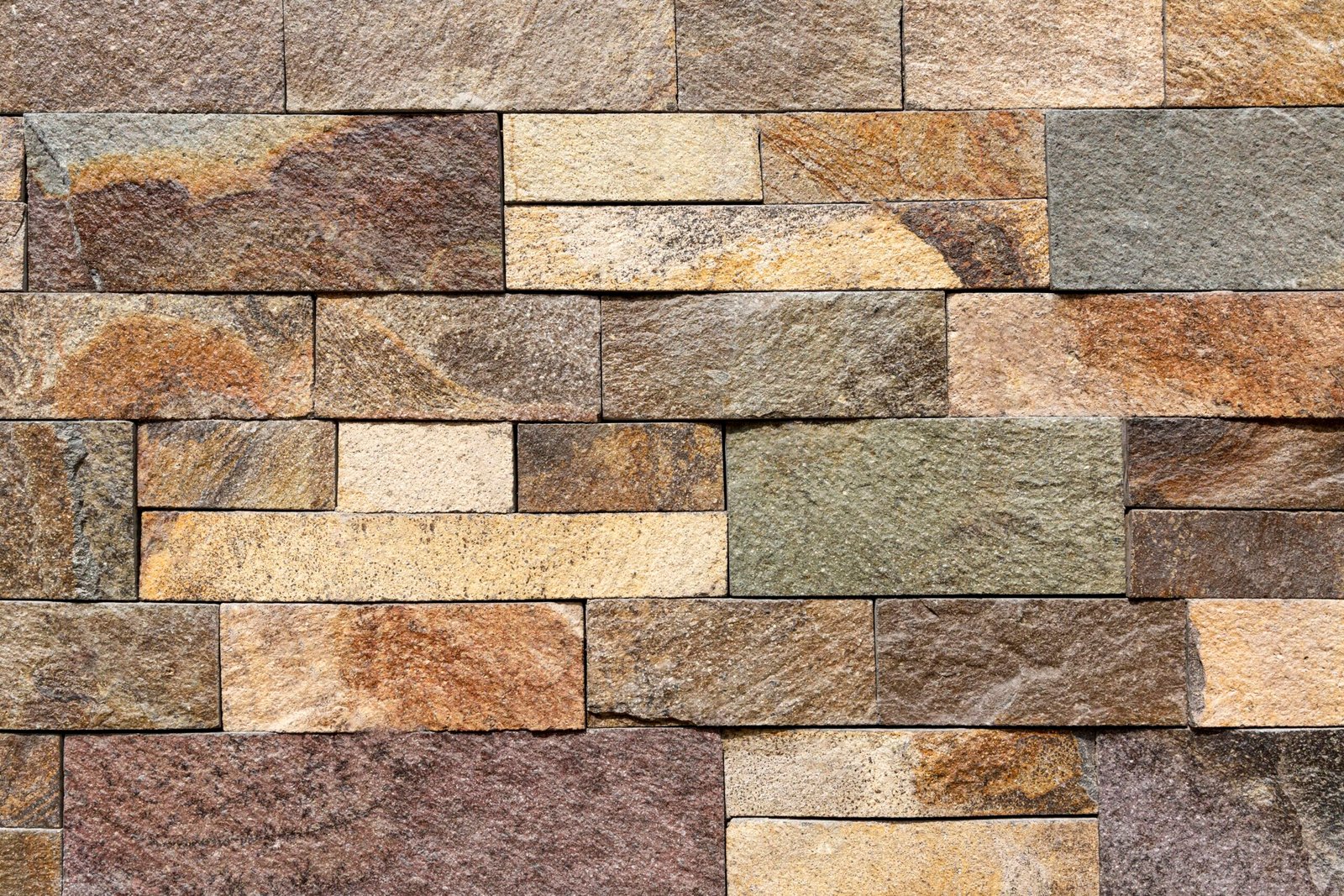
In the ever-evolving world of architecture and design, thin veneer stones have emerged as a game-changing material for both residential and commercial spaces. Offering the same natural beauty and durability of full-bed stones—at a fraction of the weight—these thin slices of natural stone have revolutionized how builders, architects, and homeowners approach construction and renovation.
In this blog, we explore the top 7 benefits of using thin veneer stones in modern architectural projects.
1. Lightweight Yet Durable
One of the most significant advantages of thin veneer stones is their lightweight nature. Typically ranging between 0.75 to 1.25 inches in thickness, these stones are easier to handle, transport, and install compared to full-thickness stones. Despite being thin, they retain the natural strength and durability of the stone they’re cut from.
➤ Benefit:
-
Reduces structural load
-
Ideal for retrofitting existing walls or facades
-
Easier and safer installation on higher elevations
2. Cost-Effective Installation
Thanks to their reduced weight, thin veneers require less structural support, lighter anchoring systems, and simpler handling equipment. All these factors contribute to lower labor and installation costs, making it a budget-friendly choice for high-end aesthetics.
➤ Benefit:
-
Saves time and labor expenses
-
Less waste during cutting and transport
-
No need for additional foundation support
3. Versatile in Application
Thin veneer stones offer tremendous design flexibility. Whether it’s a modern home façade, rustic fireplace, accent wall, column cladding, or garden feature, they can be used both indoors and outdoors across a variety of architectural styles.
➤ Benefit:
-
Suitable for residential, commercial, and landscape architecture
-
Compatible with wood, metal, glass, or concrete backdrops
-
Can be used in curved or irregular surfaces
4. Natural Aesthetic Appeal
Nothing beats the timeless elegance of natural stone. Thin veneer stones maintain the authentic texture, color, and veining of full-bed stones, making them visually indistinguishable from the real thing. Available in a variety of finishes like natural split, rockface, tumbled, and honed—they cater to every aesthetic need.
➤ Benefit:
-
Enhances visual richness and sophistication
-
Perfect for rustic, contemporary, or traditional designs
-
Adds value and charm to any architectural project
5. Environmentally Friendly
Thin veneers contribute to eco-conscious construction. By using less material from quarrying to installation, they help reduce stone wastage, lower transportation emissions, and lessen the overall environmental impact.
➤ Benefit:
-
Reduced raw material usage
-
Lower carbon footprint in shipping
-
Supports sustainable building practices
6. Easy Retrofitting & Renovation
For renovation projects, thin veneer stone is a go-to material. Because it can be applied directly over existing walls, brick, concrete, or metal surfaces, it offers a seamless way to upgrade a space without demolition or heavy structural changes.
➤ Benefit:
-
Ideal for remodeling and upgrading old façades
-
Minimal disruption during renovation
-
Quick transformation with long-lasting results
7. Increased Property Value
Thin veneer stone cladding offers the luxury look of full stone at a lower cost, with high durability and visual appeal. This translates into better curb appeal and increased resale value—a great return on investment for both residential and commercial properties.
➤ Benefit:
-
Premium appearance at affordable rates
-
Long-term aesthetic and structural value
-
Attracts more buyers or tenants
Conclusion
Modern architecture calls for materials that are efficient, versatile, sustainable, and stunning—and thin veneer stones check all the boxes. Whether you’re an architect, builder, or homeowner, incorporating these stones into your next project can dramatically elevate your design while keeping budgets and timelines in check.